
Recovery & Biorhythms
Recovery & Biorhythms
This guide delves into the mechanisms of nocturnal recovery, deep sleep, circadian rhythms, and brain detoxification to help you restore your biorhythms and vitality.
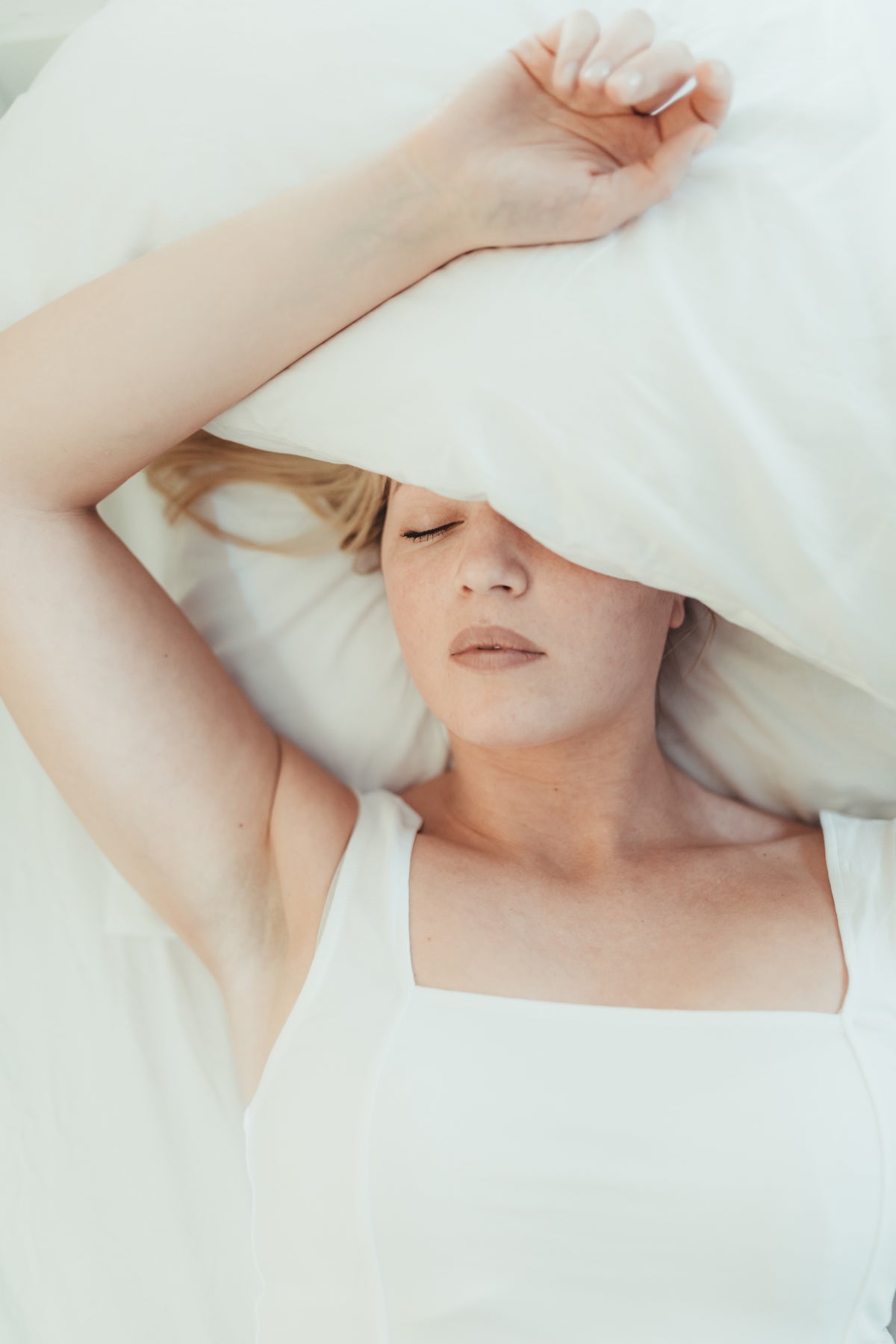
Sleep is not just about its duration. It primarily relies on the quality of your biorhythms: these internal cycles that naturally orchestrate your energy, hormones, and ability to access deep sleep.
When these rhythms are aligned—light, activity, nutrition, rest—your nights become restorative and support your long-term vitality. At Vāhana, we guide you to understand these mechanisms and restore sleep that protects your cellular health and longevity.

Light

Activity

Nutrition

Rest
Summary
The complete guide awaits you
Sleep mechanisms, evening routine, precious oils, ancestral traditions, readings, and a comprehensive FAQ.
Sign up for the newsletter at the top of this page to instantly unlock the rest of the guide. This guide is free and will remain so: we simply keep you updated on new content and Vāhana launches, with no spam or resale of your data.
Understanding nocturnal reorganization
When your biorhythms are aligned, your body follows a precise sequence during the night:
- slowing of the nervous system
- gradual decrease in cortisol
- secretion of growth hormone
- activation of autophagy
- cleansing of cerebral toxins
This reorganization supports mental clarity, cellular vitality, and better adaptation to stress. If your rhythms are disturbed, regeneration is incomplete, even after a long night.
The glucose-temperature link
High blood sugar in the evening raises your body temperature, which directly hinders falling asleep. It's a direct mechanism: controlling carbohydrates at the end of the day improves sleep well beyond the effect on insulin alone.
Your evening routine, aligned with your biorhythms
A restorative night begins long before your eyes close. Your body perceives signals that tell it night is setting in: softer light, slower movements, enveloping warmth, silence.
- One hour before, reduce light exposure to allow melatonin to increase.
- Thirty minutes before, choose actions that soothe the nervous system: slow breathing, stretches, a warm shower.
- Just before sleeping, opt for a calming infusion: chamomile, lemon balm, or ashwagandha.
These consistent signals reinforce the stability of your internal rhythms and facilitate deep sleep.
The 3 key mechanisms

Circadian rhythm
Your internal clock regulates wakefulness, sleep, hormones, and body temperature. Consistent light exposure and stable schedules strengthen this rhythm.

Sleep cycles
Each night alternates between light, deep, and REM sleep. Stable cycles allow for better emotional integration and deep repair.
Ultradian rhythms
These are shorter cycles (90 to 120 minutes) that structure the alternation of effort/rest throughout the day. Respecting them supports more natural sleep onset and more stable sleep.
It's not just the total duration that matters: it's the proportion of deep sleep (also called slow-wave sleep) within that duration, the most restorative phase for tissues, immunity, and physical memory.
Sleep trackers and apps estimate these phases from movement and heart rate, not a true electroencephalogram: reliable for tracking a trend over several weeks, less so for judging a single night.
Soothe, regulate, restore
Discover how adaptogenic plants and essential oils naturally support your biorhythms, soothe the nervous system, and facilitate deep sleep. Each ally acts on a specific mechanism to promote stable, calm, and truly restorative nights.
What each ally targets

True Lavender
Hydrolat or essential oil (diffusion). Soothes nervous hyperactivation. Supports deep relaxation and helps initiate sleep. This is the most documented oil in the group: a 2025 meta-analysis of 11 clinical trials (628 participants) confirms a significant effect on sleep quality.

Roman Chamomile
Infusion or hydrolat. Relieves internal tension. Reduces mental and emotional agitation in the evening.

Bergamot
Essential oil (diffusion). Calms intrusive thoughts. Ideal for slowing down the mental flow related to stress.

Neroli
Hydrolat or essential oil (diffusion). Reduces nocturnal anxiety. Helps stabilize disturbed or fragmented nights.

Lemon Balm
Infusion. Harmonizes the nervous system. Soothes nervousness and facilitates the transition to sleep.

Ashwagandha
Standardized extract (KSM-66 or Sensoril). Acts on stress and nervous system resilience, not direct sedation. It's not a sleeping pill, but long-term support for stress resilience.

Passionflower
Infusion or standardized extract. Soothes residual nervous excitement. Facilitates the transition to sleep by calming the nervous system without excessive sedation.
Suggested application for essential oils: gentle diffusion or on the soles of the feet (Yongquan – K1 point).
What traditions say
In Chinese medicine
Certain acupressure points can promote sleep: Anmian, Yin Tang, Shenmen, Neiguan, Taixi, Yongquan. A gentle massage with diluted oil on these areas each evening can amplify the calming effect.
In Ayurveda
Sleep, or Nidra, is a pillar of health.
- Excess Vata = nocturnal agitation, difficulty grounding
- Rituals: warm oil self-massage (Abhyanga), Nasya (nasal oil), warm golden milk
- Adaptogenic plants: ashwagandha, jatamansi, tulsi
Rhythm is essential: going to bed before 10 PM harmonizes the body with natural cycles.
Recommended readings
A question? We have answers
Why am I tired despite 8 hours of sleep?
Because duration is not enough. When your biorhythms are misaligned, deep sleep decreases and recovery remains incomplete.
Does evening light disturb my biorhythms?
Yes. Artificial light, especially blue light, delays melatonin and shifts your internal clock.
How can I improve my biorhythms?
Regular routine, morning light, moderate daytime activity, earlier meals, evening rituals, stress reduction.
Do naps compensate for a bad night?
Short naps (20 minutes) support alertness without disturbing nocturnal sleep. Be careful with long naps (over an hour), however: if nocturnal sleep is already fragile, they tend to worsen rather than correct it, and can even worsen insulin resistance.
What is the difference between deep sleep and REM sleep?
Deep sleep repairs: tissues, hormones, immunity, cellular energy. REM sleep integrates: emotions, memory, learning. Both are essential; a deficit in one imbalances the entire night.
Can stress fragment sleep?
Yes. Hypervigilance (high cortisol) keeps the nervous system on alert, preventing descent into deep sleep and causing nocturnal awakenings.
Is there a magic number of hours of sleep?
No. The ideal duration varies from person to person; some thrive on five hours. What matters is not reaching a precise number, but the consistency and quality of the cycles.
To go further
On the Longevity Journal
7 Strategies for Restorative Sleep →Explore other pillars
Each Vāhana pillar supports an aspect of your longevity.
Your regeneration never depends on a single action, but on the harmony established between your internal cycles.